The First Ten Minutes of a Hotel Stay Decide Everything That Follows
Guests form an emotional baseline during arrival that colours every subsequent experience. A strong arrival makes guests more generous. A weak one makes them more critical.
Key takeaways
- Arrival is the phase of highest emotional sensitivity in the guest journey
- Guests form a lasting impression before they reach reception
- Uncertainty during arrival creates anxiety that persists through the stay
- A warm first interaction can recover a difficult approach - nothing recovers a cold one
- Arrival is the phase most frequently cited in negative reviews
The first ten minutes of a hotel stay have a disproportionate influence on everything that follows. Guests form an emotional baseline during arrival - shaped by wayfinding clarity, the quality of the first human interaction, and whether the physical environment matches their expectation. This baseline colours every subsequent experience. A strong arrival makes guests more generous. A weak one makes them more critical. Most boutique hotels underinvest in this phase precisely because it feels operational rather than experiential.
Why arrival is different from every other touchpoint
Every stage of a hotel stay matters. But arrival is different.
At breakfast, at the pool, in the room - a guest is already inside the experience. They have settled. Their nervous system has adjusted. They have a baseline.
Arrival is when that baseline is being set.
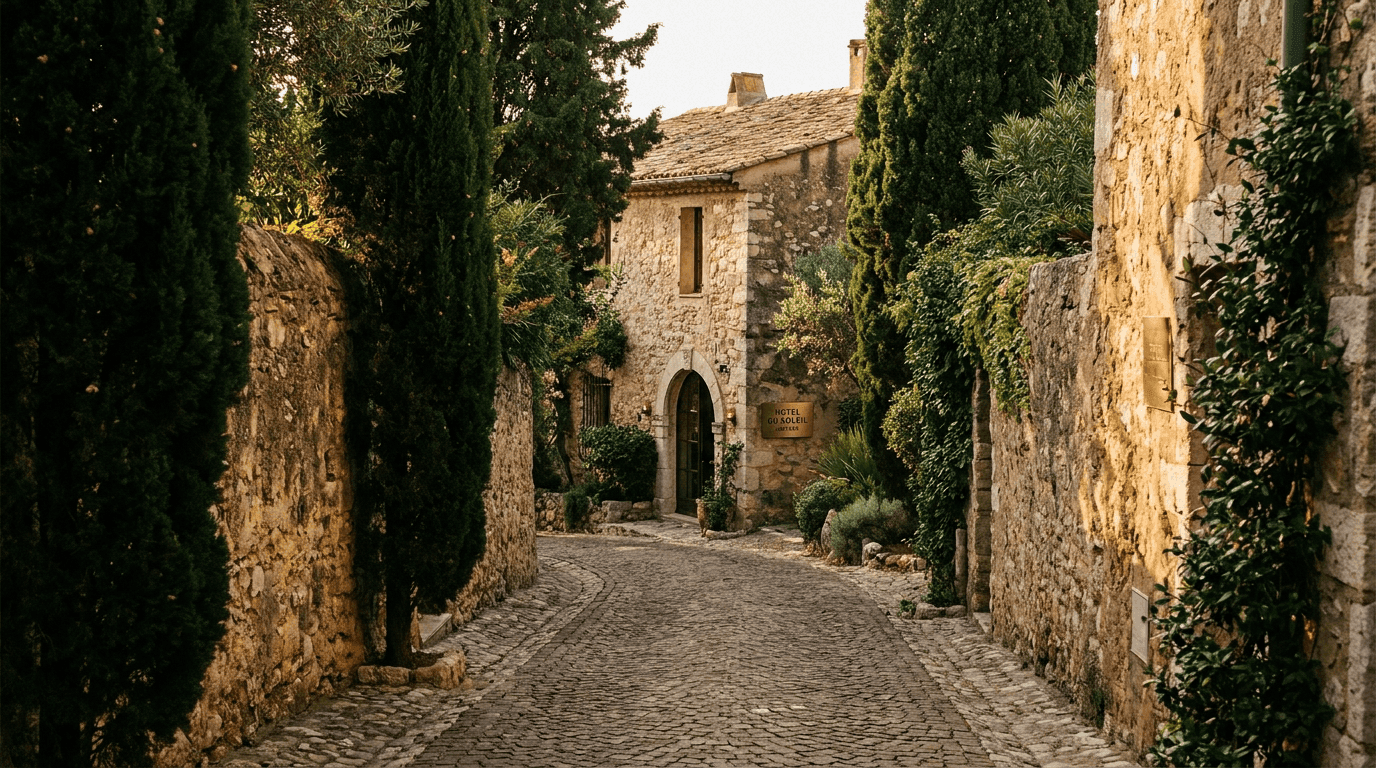
Everything a guest encounters in the first ten minutes - the approach, the signage, the first view of the property, the first face they see, the first words spoken to them - is being evaluated against the full weight of their anticipation. They have looked at the photography. They have read the descriptions. They have imagined this moment.
What they find either confirms that imagination or quietly undermines it.
What happens when arrival creates uncertainty
Uncertainty is the specific enemy of arrival. Not rudeness. Not slowness. Uncertainty.
A guest who cannot immediately see where to park. A walking route from the car to reception that is not clearly marked. A moment of standing in a lobby wondering whether to wait or call out.
Each of these is small. Together, they create a feeling that the property was not quite expecting them. That their arrival was not anticipated.
This feeling does not disappear when reception turns out to be warm. It softens, but it persists. And it colours the way the guest experiences everything that follows.
The arrival phases most properties overlook
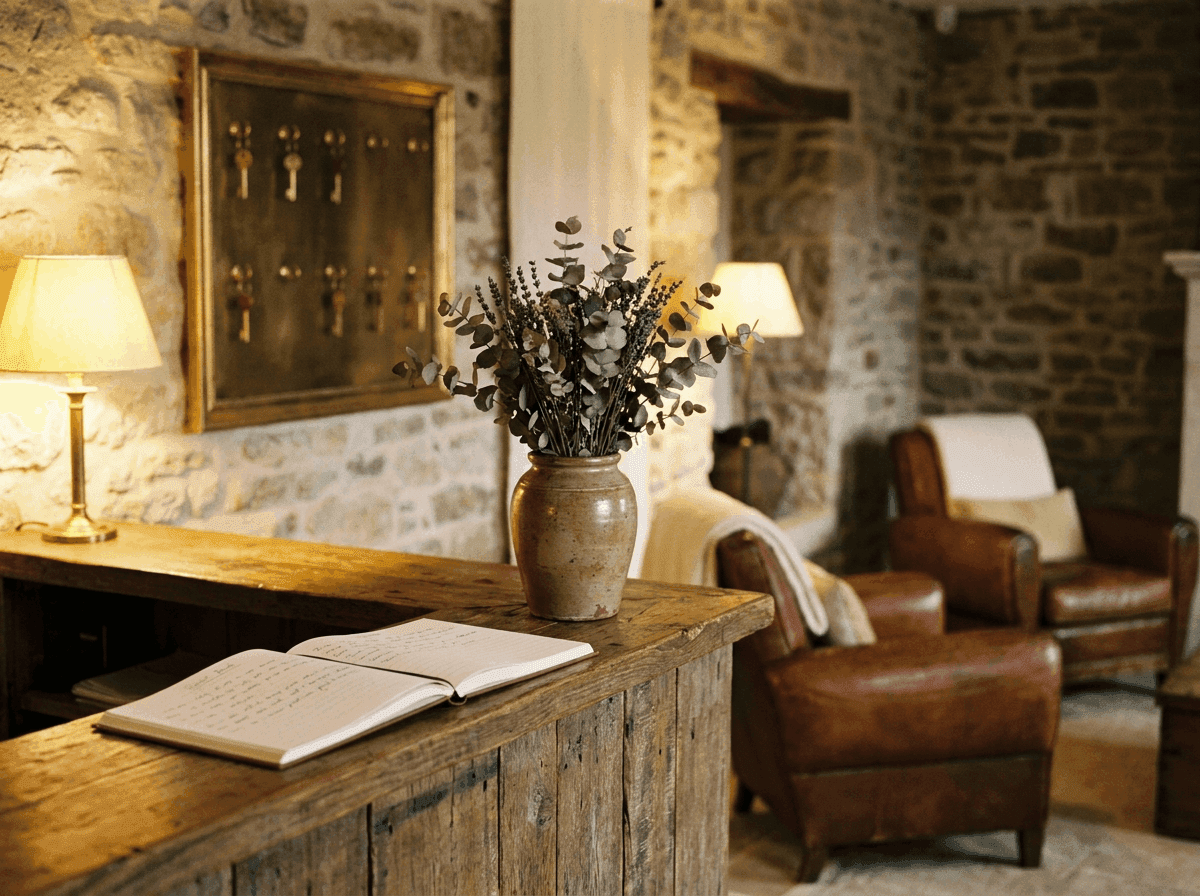
Boutique hotels typically invest in the reception interaction. The welcome. The personal introduction. The brief orientation.
These matter. But they are not where arrival begins.
Arrival begins the moment a guest turns off the main road. It includes the quality of signage between the car park and the entrance. Whether the entrance is obvious or requires interpretation. The five seconds a guest spends standing in the doorway, orienting themselves, before anyone has acknowledged them.
By the time the receptionist says good evening, the guest has already formed an impression.
The warmth of the welcome cannot fully recover from the anxiety of the approach.
What a strong arrival actually creates
A guest who arrives with confidence - who knew where to go, felt expected, and experienced warmth within the first thirty seconds - enters the property in a fundamentally different emotional state.
They are open. Generous. Already forming positive memories.
When something minor goes wrong later - a slow response, a slightly disappointing course, a noise from the corridor - they absorb it differently. They have a reserve of goodwill.
The guest who arrived in uncertainty does not have that reserve. They notice the same minor failure and it confirms something they already half-suspected.
The arrival experience in practice
The gap between a strong arrival and a weak one is rarely expensive to close.
Pre-arrival communication with clear directions. Two or three discreet directional markers between parking and entrance. A member of staff whose first priority when a new guest appears is to make them feel immediately expected.
None of this requires capital investment. It requires intention.
The reason most boutique hotels have not addressed it is that arrival feels operational. It is not. It is the most psychologically significant moment in the entire stay.
Arrival is not the beginning of the stay. It is the frame through which the rest of the stay is seen.