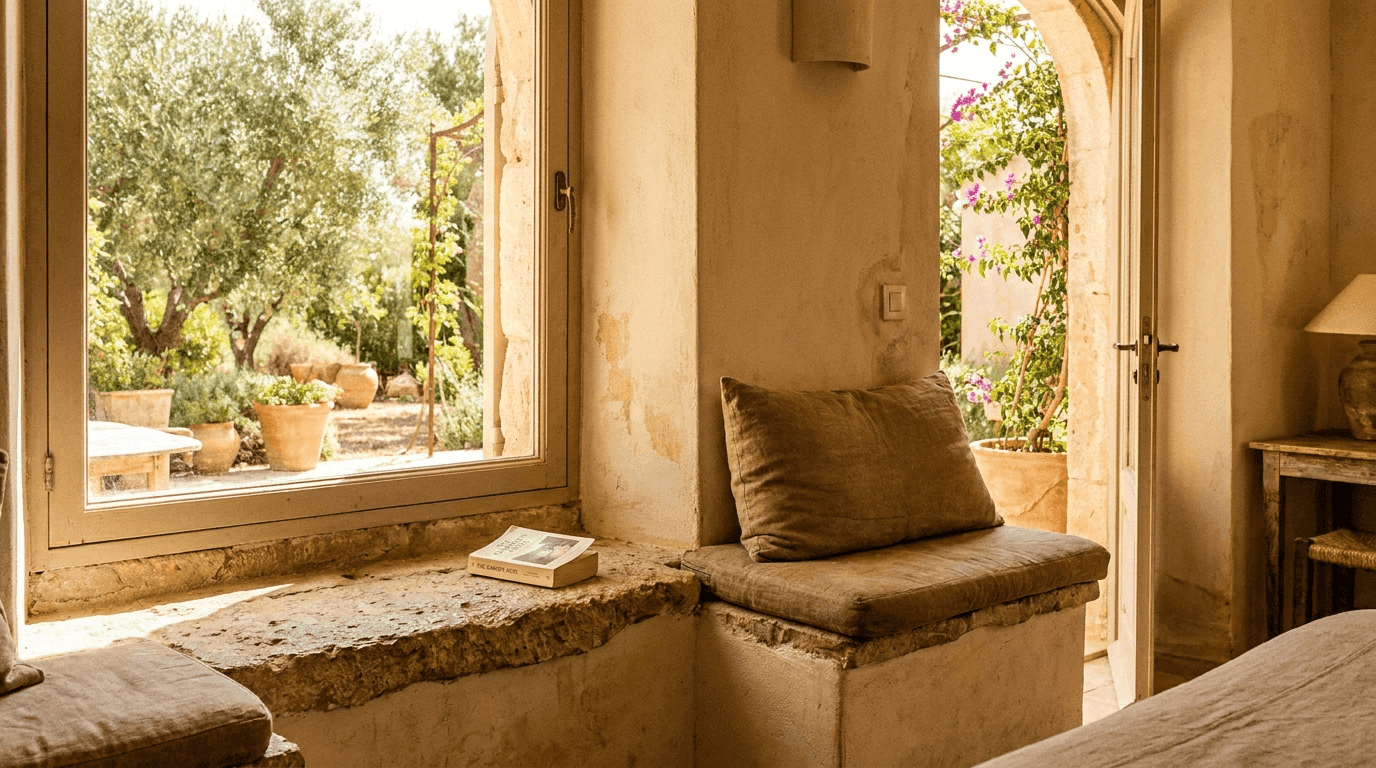
The Qualities That Make a Boutique Hotel Memorable Are Usually the First to Go
Growth and professionalisation are well-intentioned. They are also the most common causes of boutique hotel character loss. The process is invisible until the reviews change.
Key takeaways
- Growth and professionalisation are the most common causes of boutique character loss
- The qualities guests remember are rarely the expensive or designed ones
- Service scripts eliminate the informal warmth guests describe as the reason they returned
- Local details are systematically replaced as properties scale
- Identifying what should never change is as important as identifying what should improve
The qualities that make a boutique hotel memorable are almost always the first to be lost as the property grows. Informal warmth becomes scripted service. Local details get replaced by consistent branded experiences. The slightly imperfect charm guests found distinctive is smoothed away in the name of professionalism. This process is well-intentioned and often invisible to the team living through it. By the time it becomes visible in reviews and booking patterns, the character that differentiated the property has already been significantly eroded.
The problem with getting better
Every boutique hotel owner wants their property to improve. More consistent. More professional. More polished. These are reasonable ambitions.
The problem is what gets lost in the pursuit of them.
The informal conversation a receptionist used to have with every arriving guest - the one that made guests feel genuinely welcomed rather than efficiently processed - becomes a casualty of the training programme designed to ensure consistency. The slightly eccentric breakfast that guests photographed and talked about gets simplified when the chef who created it leaves. The sense that the property was run by someone with strong opinions fades as systems replace instinct.
None of this is careless. All of it is well-intentioned. And together it produces a property that is objectively better in every measurable way, and less memorable than it was three years ago.
What guests actually remember
Ask a guest what they remember about a stay that made them return, and they will rarely mention the thread count or the bathroom fixtures.
They will mention a specific conversation. A breakfast element that tasted like it came from exactly this place and nowhere else. The quality of light in the room at a particular hour. A staff member who remembered something they mentioned on arrival and referenced it two days later without being asked.
These are not expensive to create. They are not the result of capital investment. They are the result of a property that knows what it is and has not yet been optimised out of its own character.
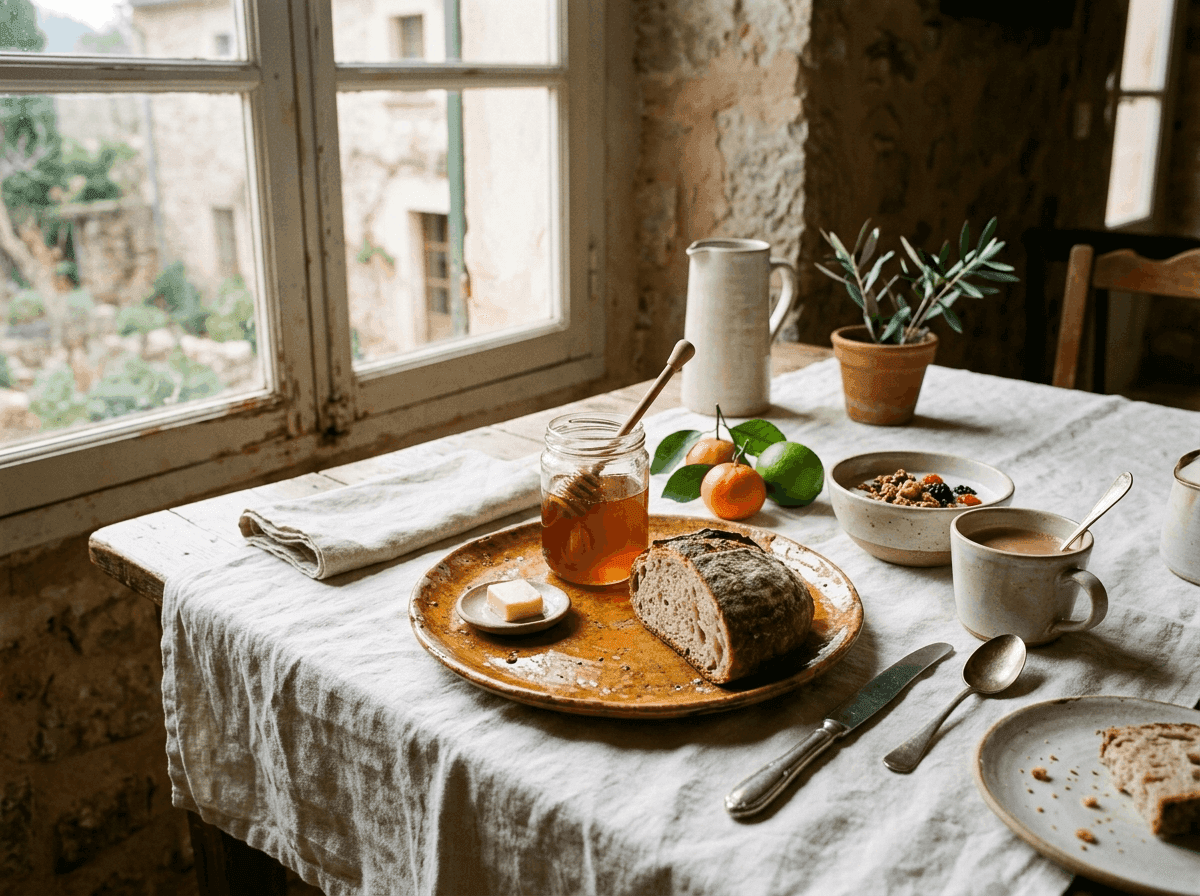
A boutique hotel does not lose its character in one decision. It loses it in a hundred small improvements.
How character erosion happens
It follows a recognisable pattern.
A property opens with strong character - usually a direct expression of the owner's taste, values, and relationship to the location. Guests respond. Reviews mention the warmth, the specificity, the sense that the place has a clear identity.
The property grows. Occupancy increases. The owner is less present. Staff are hired and trained toward consistency. What was instinctive becomes procedural.
The local supplier who provided the honey for breakfast becomes hard to scale. The handwritten welcome notes the owner used to leave personally become a template. The specific playlist that played in the dining room is replaced by a curated service.
Each change is rational. None is wrong on its own terms. Together they create a property that has replaced character with quality - and lost the thing that made guests choose it in the first place.
The qualities worth protecting
Every boutique property has three or four things that genuinely differentiate it. Not the amenities. Not the design language. The specific human and local qualities that guests cannot find at a comparable property.
These are almost never the things the team would identify first. They are the things guests mention in reviews - often in passing, as though they are obvious.
They are identifiable. They can be documented. And once documented, they can be deliberately protected as the property evolves.
The failure is not in the growth. It is in growing without first naming what must not change.
The most dangerous moment for a boutique hotel is not failure. It is success without self-awareness.
What protection actually looks like
It is not nostalgia. It is not resistance to change.
It is a deliberate decision, made before operational pressure mounts, about which specific qualities are non-negotiable. Which elements of the breakfast are worth the effort they require. Which service behaviours must be hired for rather than trained in. Which physical details are worth maintaining rather than replacing with something easier.
These decisions cannot be made retroactively. By the time a property realises its character has eroded, the staff who created it have moved on. The suppliers have been replaced. The instincts have been systematised away.
The moment to name what should never change is before the pressure to change it arrives.
Identifying what to protect is as strategically important as identifying what to improve.