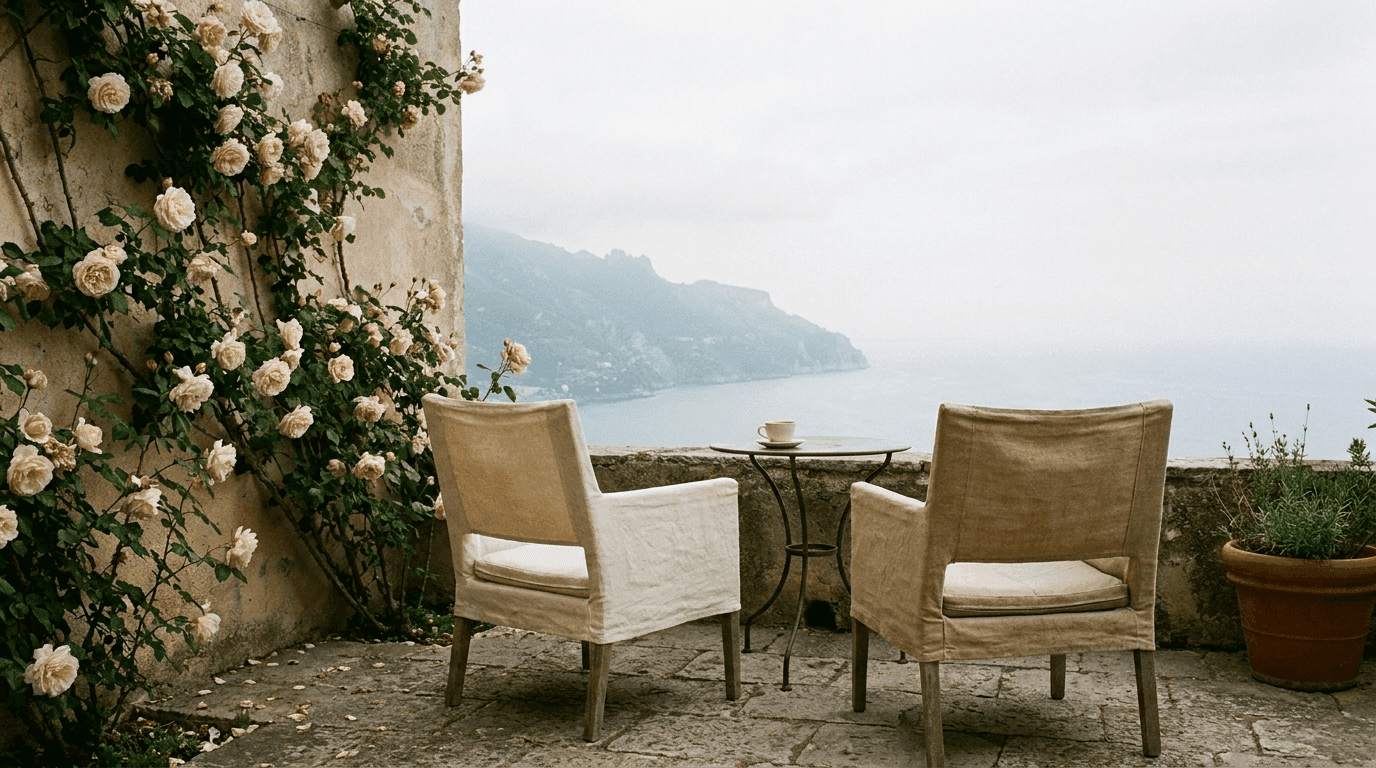
The Boutique Hotel Guest Has Changed. Most Properties Have Not.
Where guests once evaluated properties primarily on design and amenities, they now weight something harder to photograph: coherence. Whether the experience matches the promise.
Key takeaways
- Boutique hotel guests now prioritise consistency of experience over individual luxury moments
- The gap between brand promise and delivered experience is the primary driver of negative reviews
- Design and photography no longer differentiate - emotional coherence does
- Properties optimising for aesthetics while neglecting service continuity are misreading their guests
The boutique hotel guest has changed significantly over the past five years. Where they once evaluated properties primarily on design, photography, and amenities, they now weight something harder to photograph: coherence. Whether the experience they receive matches the experience they were led to expect. Whether the property feels genuinely itself or merely styled to look that way. Properties that have not updated their understanding of this shift are losing repeat bookings to competitors that have - often without knowing why.
What boutique hotel guests used to want
For most of the last decade, a boutique hotel could earn loyalty through two things: a distinctive aesthetic and a location worth the journey. Guests arrived wanting to be somewhere that felt considered and specific. A room that looked right. A neighbourhood worth exploring.
This was real and it worked. The rise of design-led independent hospitality was built on it.
But something shifted. Not dramatically, and not all at once. Gradually, the same guests who rewarded beautiful rooms started leaving reviews that said things like: "stunning property, but something was off." Or: "the photos were perfect - the stay was just slightly disappointing in ways I cannot quite explain."
What those reviews are actually saying
Those reviews are describing a gap. Between the experience the property communicated and the experience the guest received.
Not a failure of design. Not a failure of location. A failure of alignment.
The guest arrived expecting something specific - a feeling, a level of attentiveness, a sense of place that would carry through every moment of the stay. The property delivered some of it. A room that looked exactly as photographed. A breakfast that was genuinely good. But then a slightly transactional check-in. A poolside afternoon where nobody came. A departure that ended like a form being completed.
Each moment, taken alone, was fine. Together, they created an impression of a property that had not quite decided what it was.
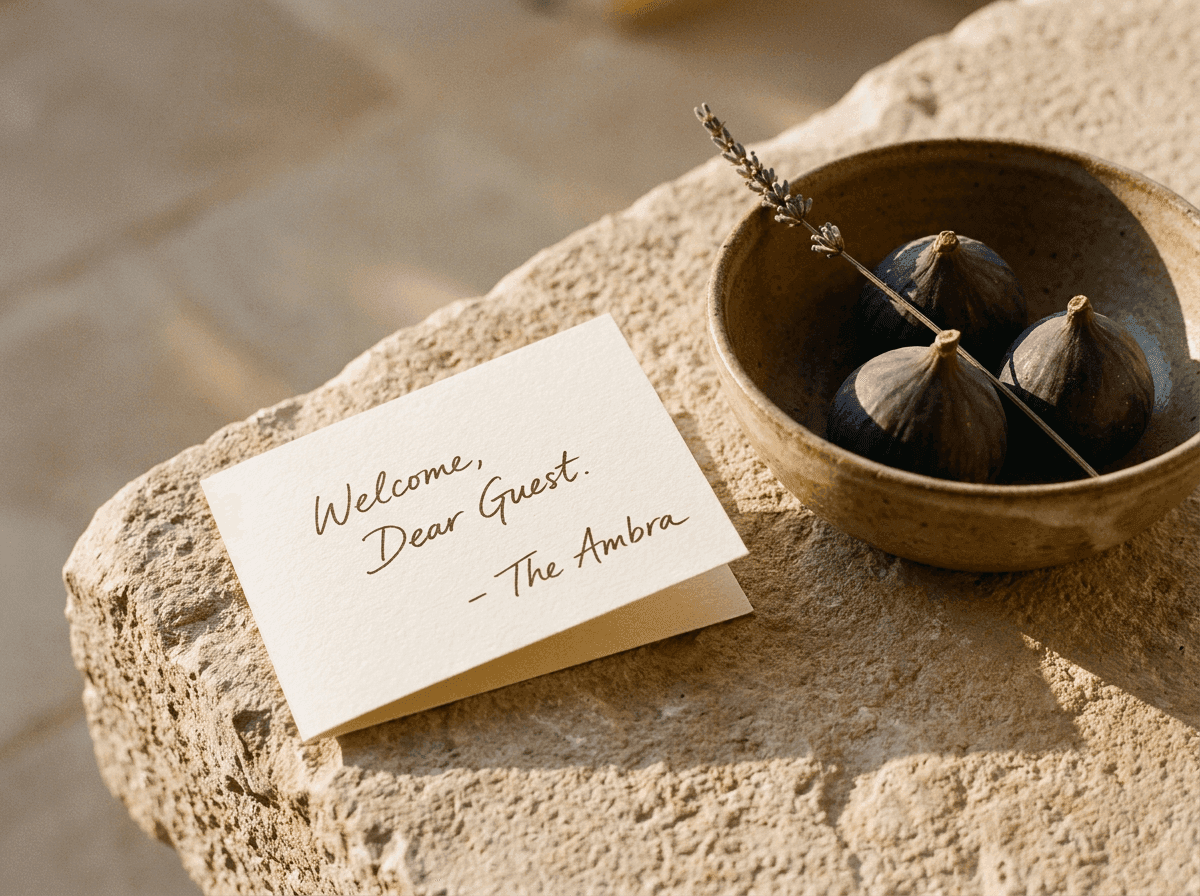
The shift that most properties have not made
The boutique hotel guest of today is not harder to please. They are more precise about what they are looking for.
They want to feel that the property has a clear sense of itself - and that this sense of itself is consistent from the first email to the final morning. They want the warmth in the photography to be present at reception. They want the sense of place in the copy to show up in what is served at breakfast.
They are not asking for more. They are asking for coherence.
The properties gaining loyal guests right now are not always the most beautifully designed. They are the ones where every touchpoint tells the same story.
Design gets guests through the door. Coherence gets them back.
What this means for a boutique property today
The first question is not how do we improve. It is: do we know what our guests actually experience?
Not what they experience at the moments the team is aware of. What they experience at the moments nobody is orchestrating. The walk from the car park to reception. The ease of departure. The quality of the silence.
Those unorchestrated moments are where coherence either holds or breaks.
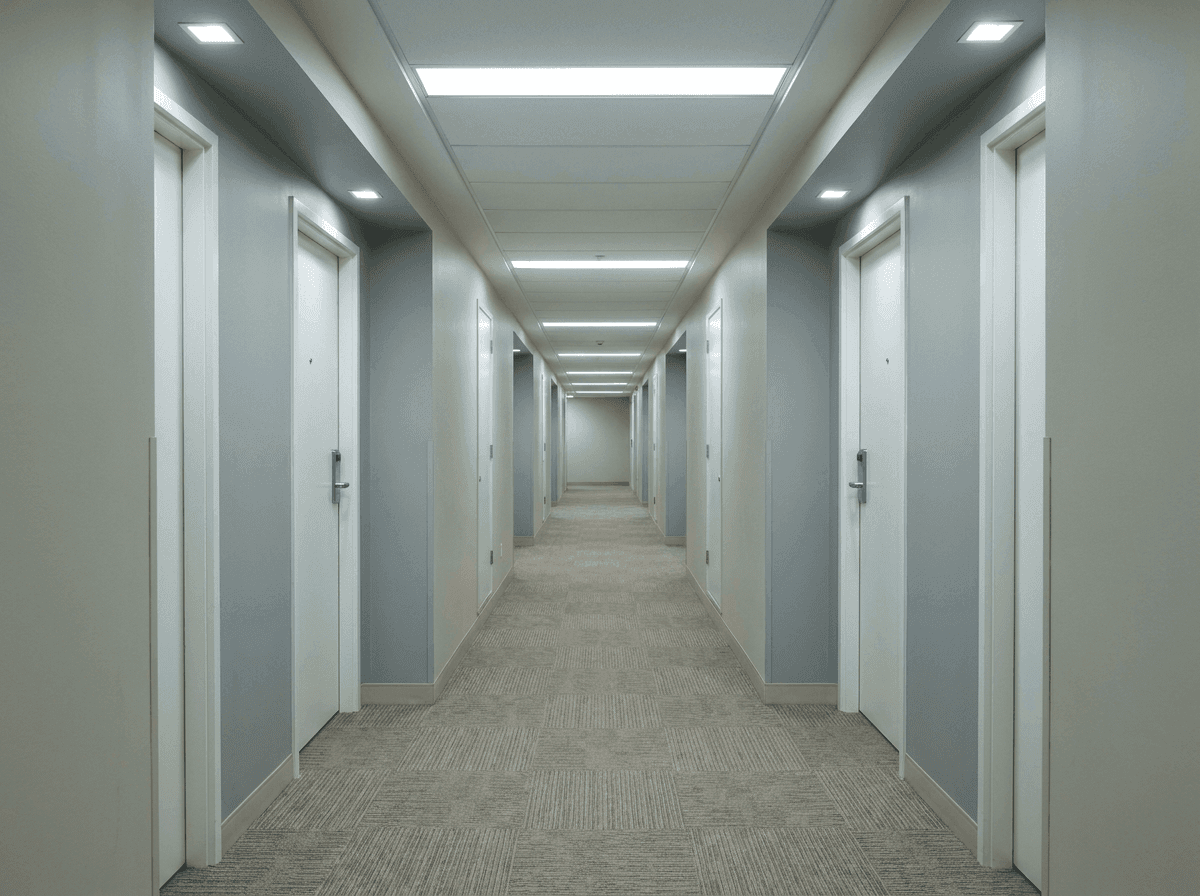
The properties getting this right
They share one characteristic: they evaluated their experience from the outside.
Not through surveys - which measure satisfaction after the fact, filtered through the guest's desire to be fair. Not through internal walkthroughs - where every team member knows the owner is watching. From the outside. As a first-time guest. With no prior knowledge and no reason to be generous.
That outside view is the only one that shows you what you actually deliver, rather than what you intend to deliver.
You cannot evaluate your own guest experience. You are too close to it.